

About Dr. Eric D. Cornelius DDS
This San Antonio clinic practises biological and holistic dentistry, treating the mouth as part of a patient's wider oral-systemic picture rather than a set of isolated teeth. Treatment planning begins with an oral-systemic assessment covering the teeth and existing restorations, periodontal health, dental infection, dental materials, airway and breathing, bite and jaw function, and the oral microbiome, which can be examined directly under phase-contrast microscopy. Restorative work emphasises biocompatible, metal-free materials and conservative preparation that preserves healthy tooth structure, with ceramic inlays, onlays and crowns designed and milled on site from digital scans. Surgical and therapeutic care covers biological tooth extraction with socket debridement, ozone therapy and platelet-rich fibrin, zirconia ceramic implants planned on 3D CBCT imaging, laser and ozone periodontal therapy, TMJ/TMD evaluation, and airway and sleep dentistry. Amalgam fillings are removed following the IAOMT's Safe Mercury Amalgam Removal Technique, and hygiene protocols are fluoride-free, using ozonated water and hydroxyapatite.
Inside the Clinic
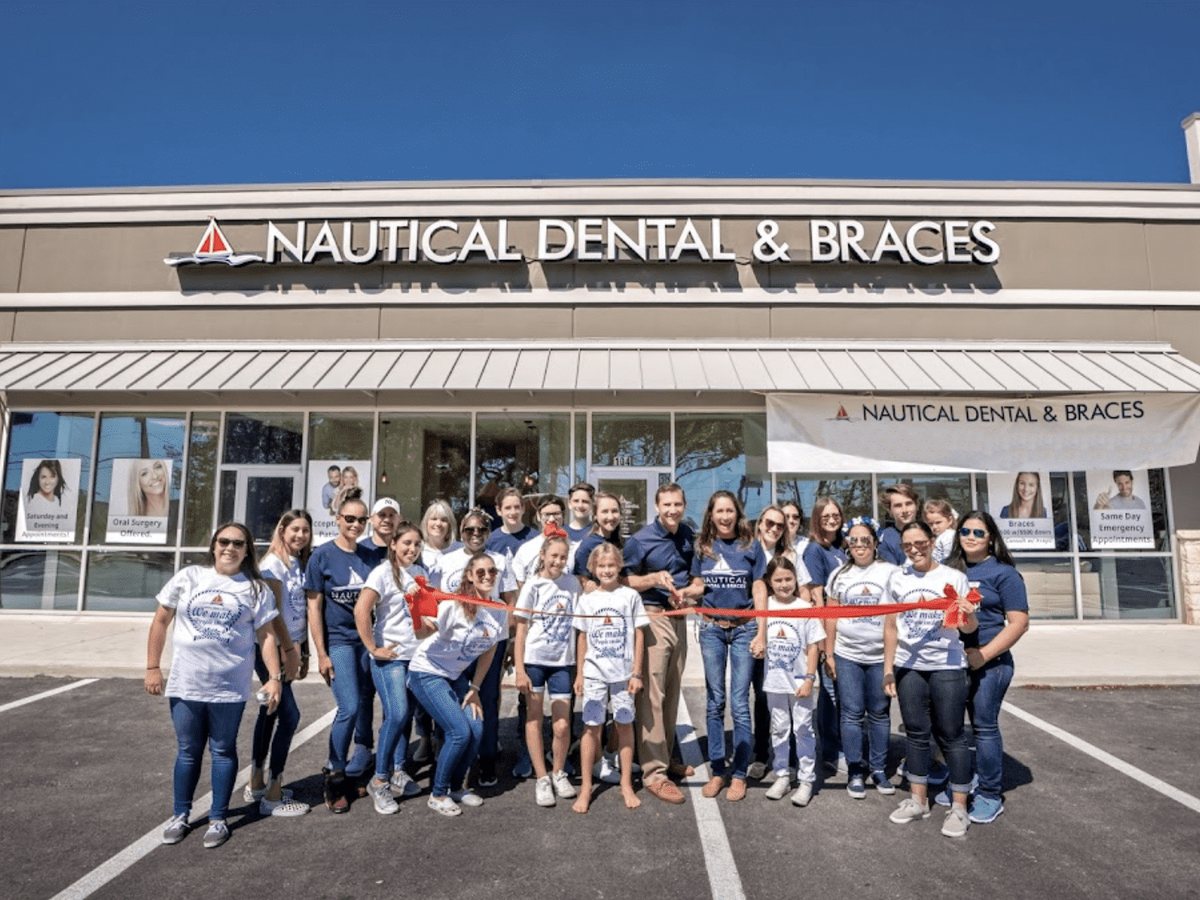
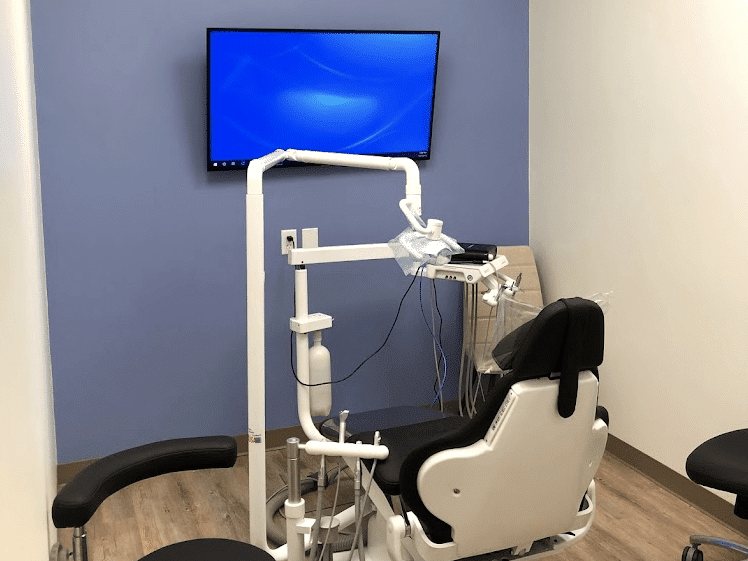
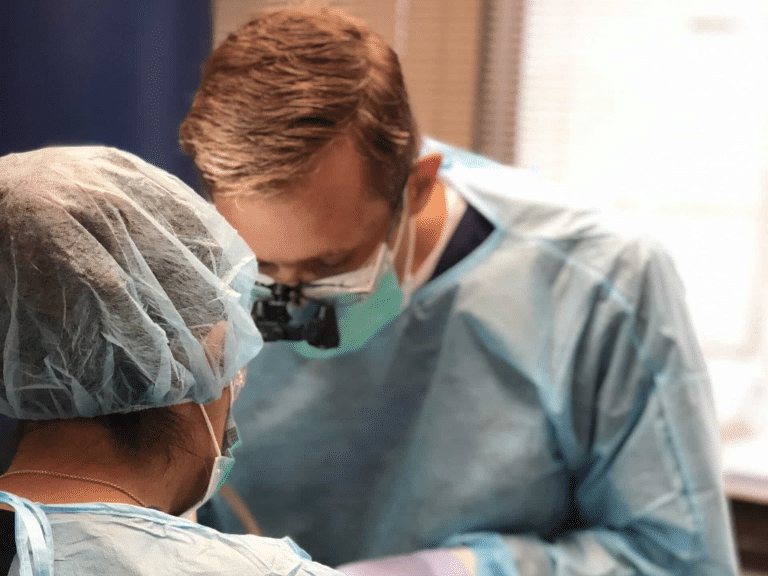
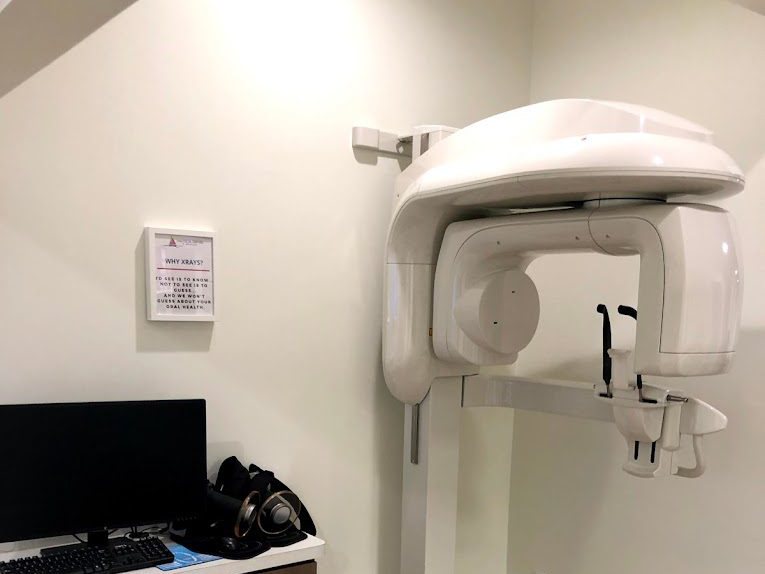
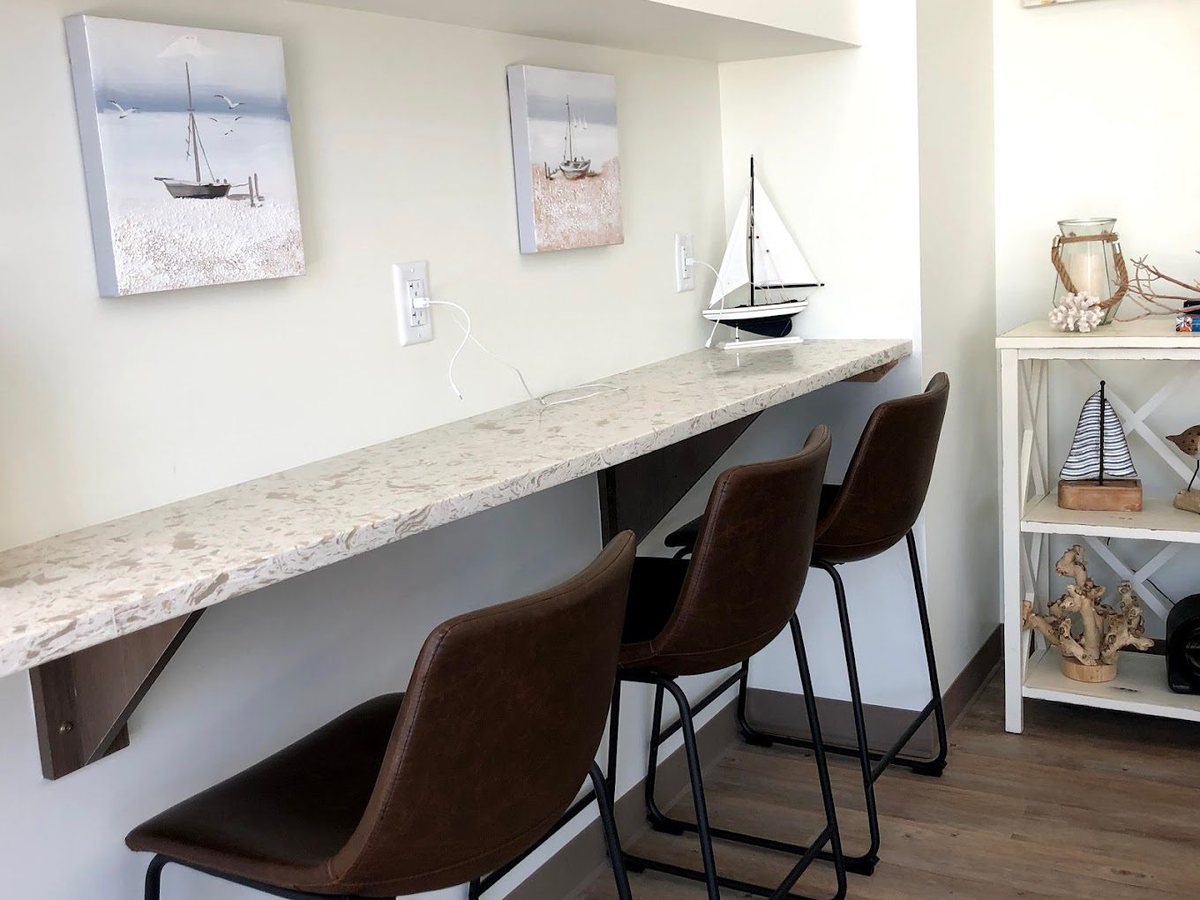

Photos from the clinic’s website.
Credentialed Clinician
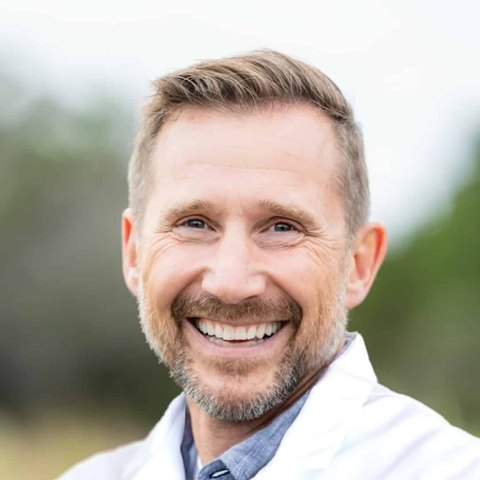
Eric D Cornelius DDS, MAGD, CIABDM
HDA member AOBMD member IABDM member SMARTHDA recordverified 6 November 2026
AOBMD recordverified 21 November 2026
IABDM recordverified 1 November 2026
IAOMT recordverified 20 November 2026
Procedures
Visit the Clinic
- Address: 17147 Autry Pond Rd, Suite 104, San Antonio, TX 78247
- Telephone: 2104990009
- Website: https://drericcornelius.com/
- City: San Antonio, TX (all Texas clinics)
Common Questions
What happens at a first visit to this clinic?
The first visit begins with a consultation covering health history, dental concerns and wellness goals, followed by a comprehensive examination of the teeth, gums, bite and oral tissues. Imaging may include 3D CBCT, 2D X-rays, intraoral photographs and a 3D digital scan. A personalised treatment plan is then developed, emphasising biocompatible materials, conservative techniques and long-term oral health.
How does the clinic remove mercury amalgam fillings?
Removal follows the IAOMT's Safe Mercury Amalgam Removal Technique. Depending on the clinical situation, measures include protective barriers for patient and team, rubber dam isolation, an alternative air source delivered through the nose, high-volume suction, at-source air filtration, copious water cooling, sectioning the amalgam into larger pieces rather than grinding it away, and an amalgam separator in the evacuation system.
What does a biological tooth extraction involve here?
The tooth is removed with techniques intended to limit trauma and preserve surrounding bone. The socket is then evaluated and debrided, with residual periodontal ligament and visible diseased or inflammatory tissue removed when clinically appropriate. Ozone therapy, platelet-rich fibrin produced from a small sample of the patient's own blood, bone grafting and socket preservation may be incorporated, with 3D imaging used in planning.
What implant option is offered for a missing tooth?
The clinic places metal-free ceramic implants made from zirconia using SDS (Swiss Dental Solutions) systems, rather than titanium. Before treatment, bone quality and quantity, periodontal health, existing infection or inflammation, neighbouring teeth, bite forces, airway and oral function and existing restorations are assessed, with 3D CBCT imaging used to evaluate the jawbone and surrounding anatomy. Bone grafting may be recommended where additional volume is needed.
Are alternatives to root canal treatment discussed?
Each compromised tooth is evaluated individually rather than assuming either a root canal or removal. Where decay or irritation is identified before the pulp is irreversibly damaged, conservative treatment with a biocompatible, metal-free restoration may be possible, with ozone therapy as an adjunct when clinically appropriate. Where the tooth cannot be predictably restored, or a patient declines root canal treatment, biological extraction is discussed as the alternative.
How does the clinic approach snoring and disrupted sleep?
Airway and sleep dentistry here examines how jaw development, jaw relationships, tongue posture, nasal versus mouth breathing and oral structures may influence the upper airway. Findings such as chronic snoring, grinding, morning headaches, dry mouth on waking, restless sleep and daytime fatigue are assessed as possible airway-related concerns. Obstructive sleep apnoea is a medical condition diagnosed through appropriate testing.