
About Dr. Teresa Monzon DDS
This Ventura practice has operated on East Main Street since 2001, building its patient base almost entirely through referral rather than advertising. Its restorative work centres on adhesive, structure-conserving protocols: inlays, onlays and overlays that fit within or over the cusp tips instead of reducing a tooth for a full crown, layered composite and ceramic placement matched to the stiffness of enamel and dentin, and a sealed margin intended to keep bacteria out of the restored tooth. Crack treatment, bioactive pulp protection on deep lesions, and the removal and replacement of old silver amalgam fillings are all handled within the same biomechanical framework. Where a crown or bridge is genuinely indicated, all-ceramic restorations are placed and the margin is sealed using the same adhesive protocols. Patients travel from across California, other US states and internationally for this work.
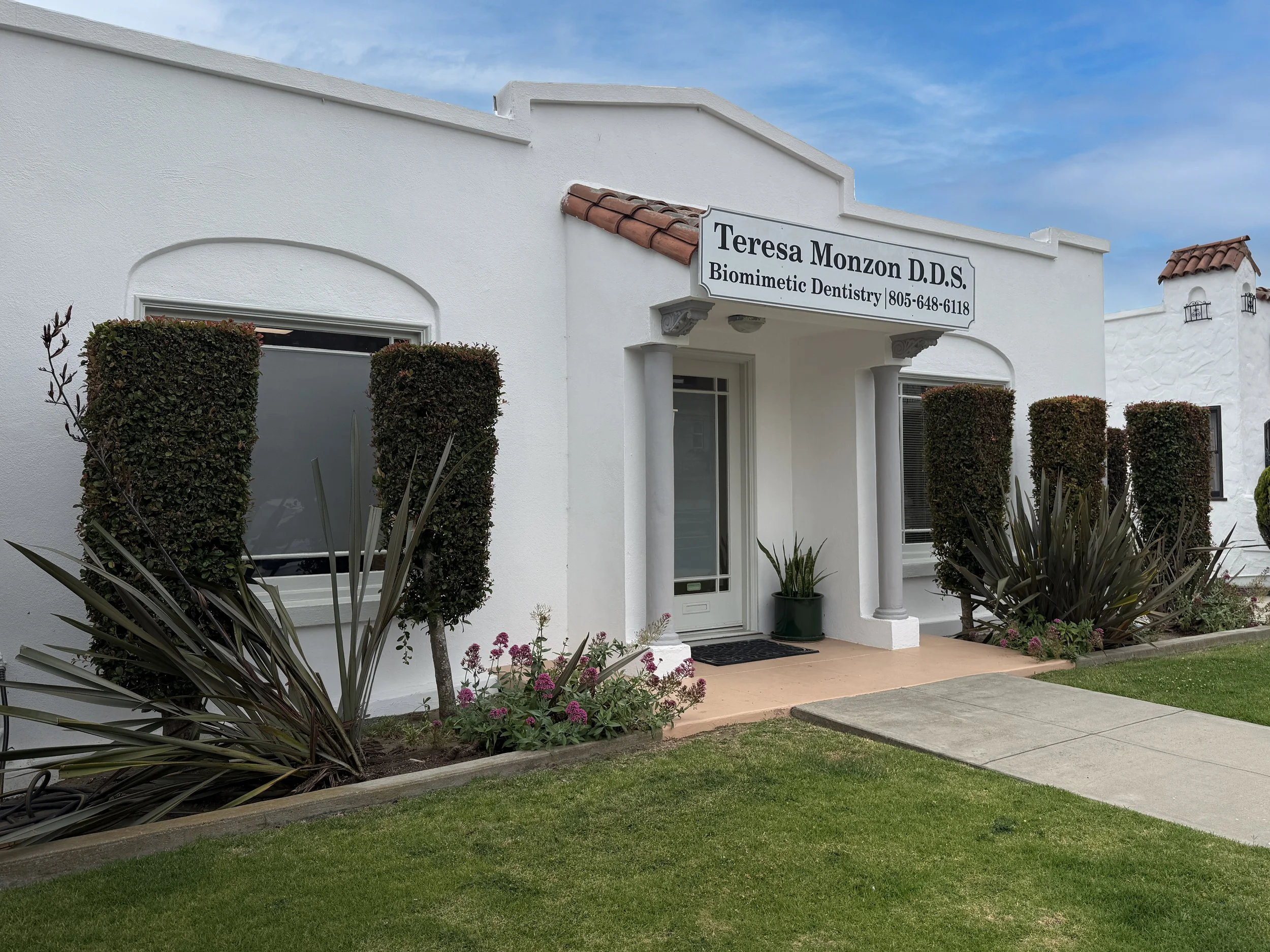
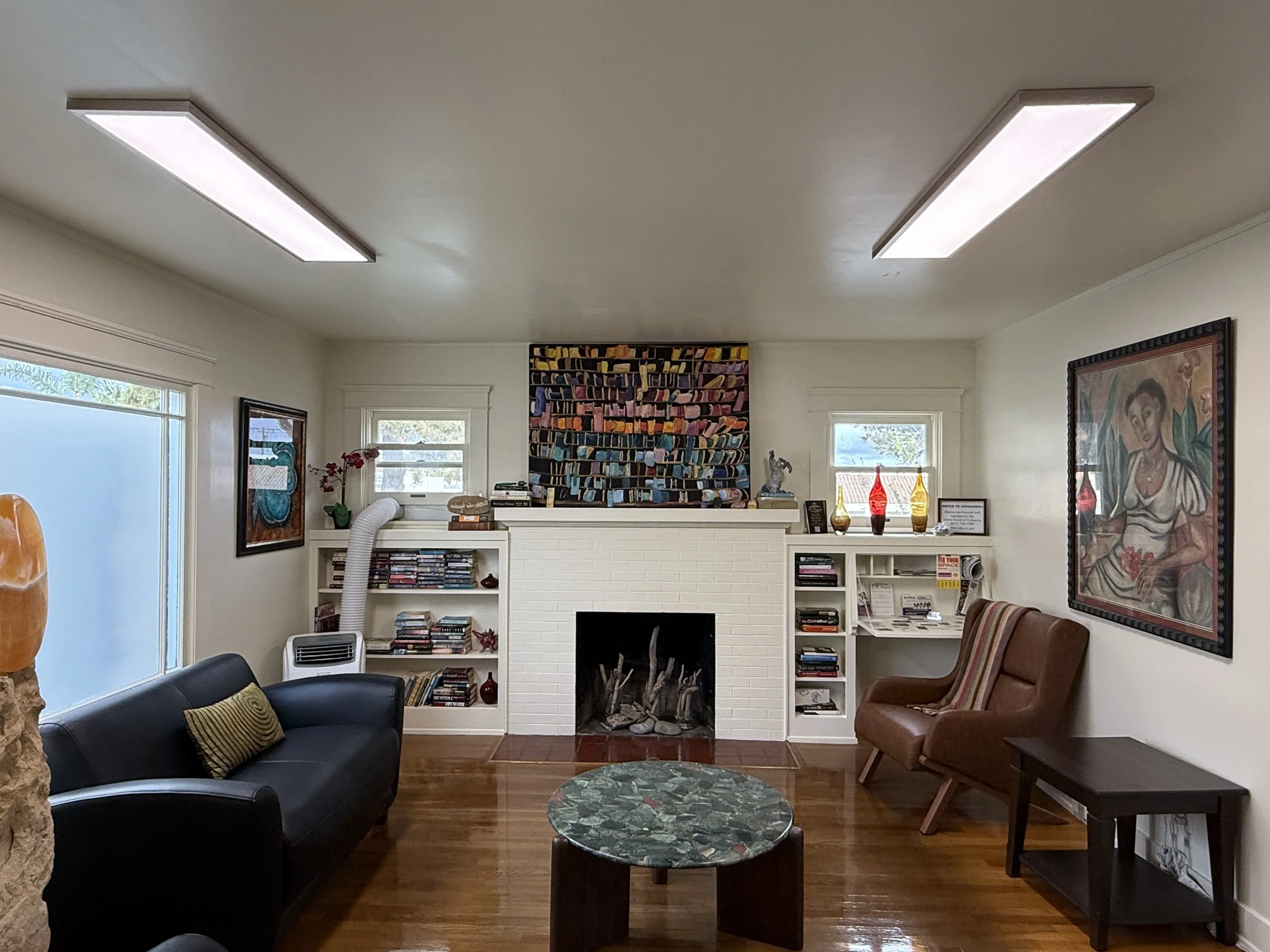
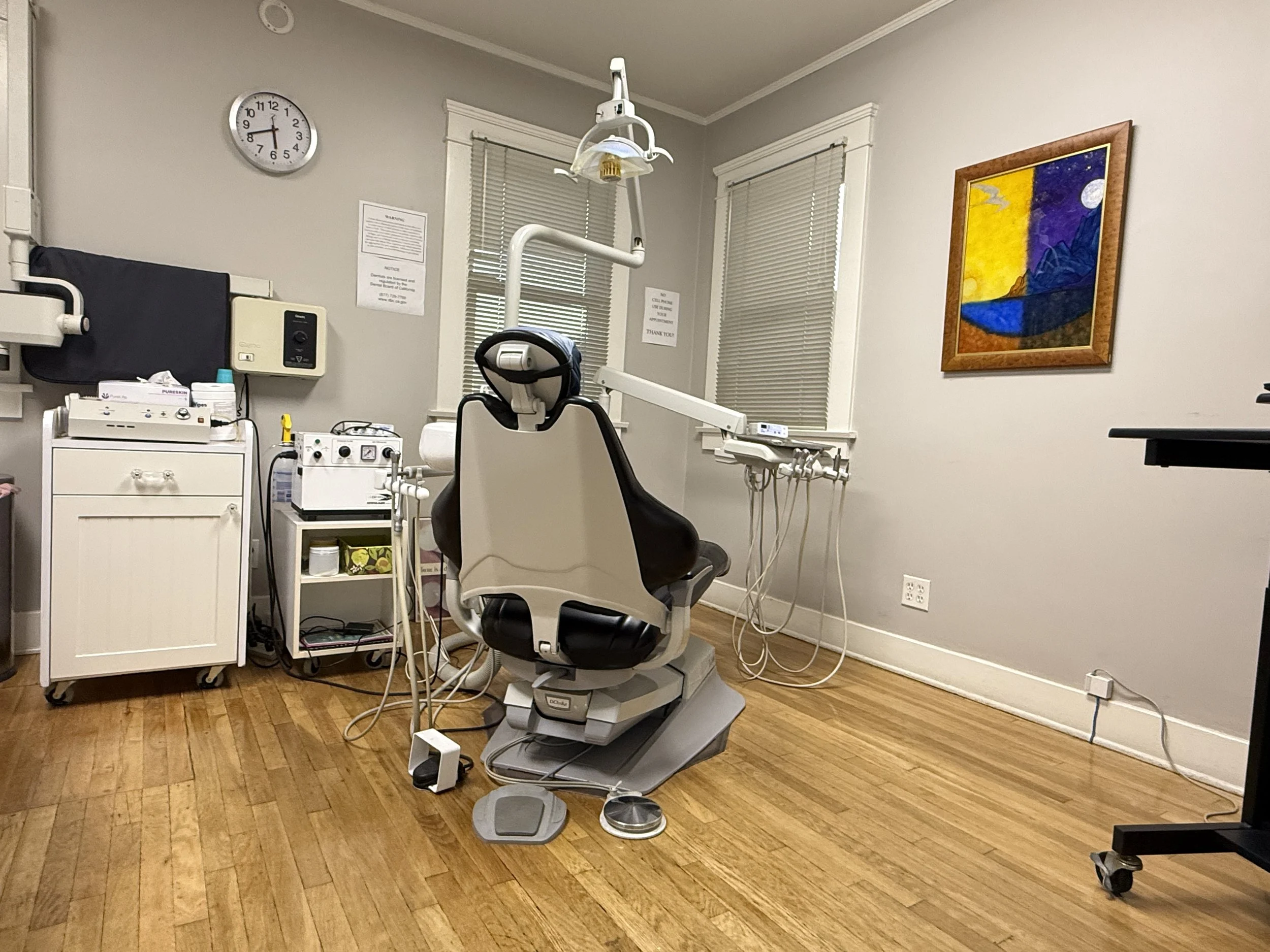
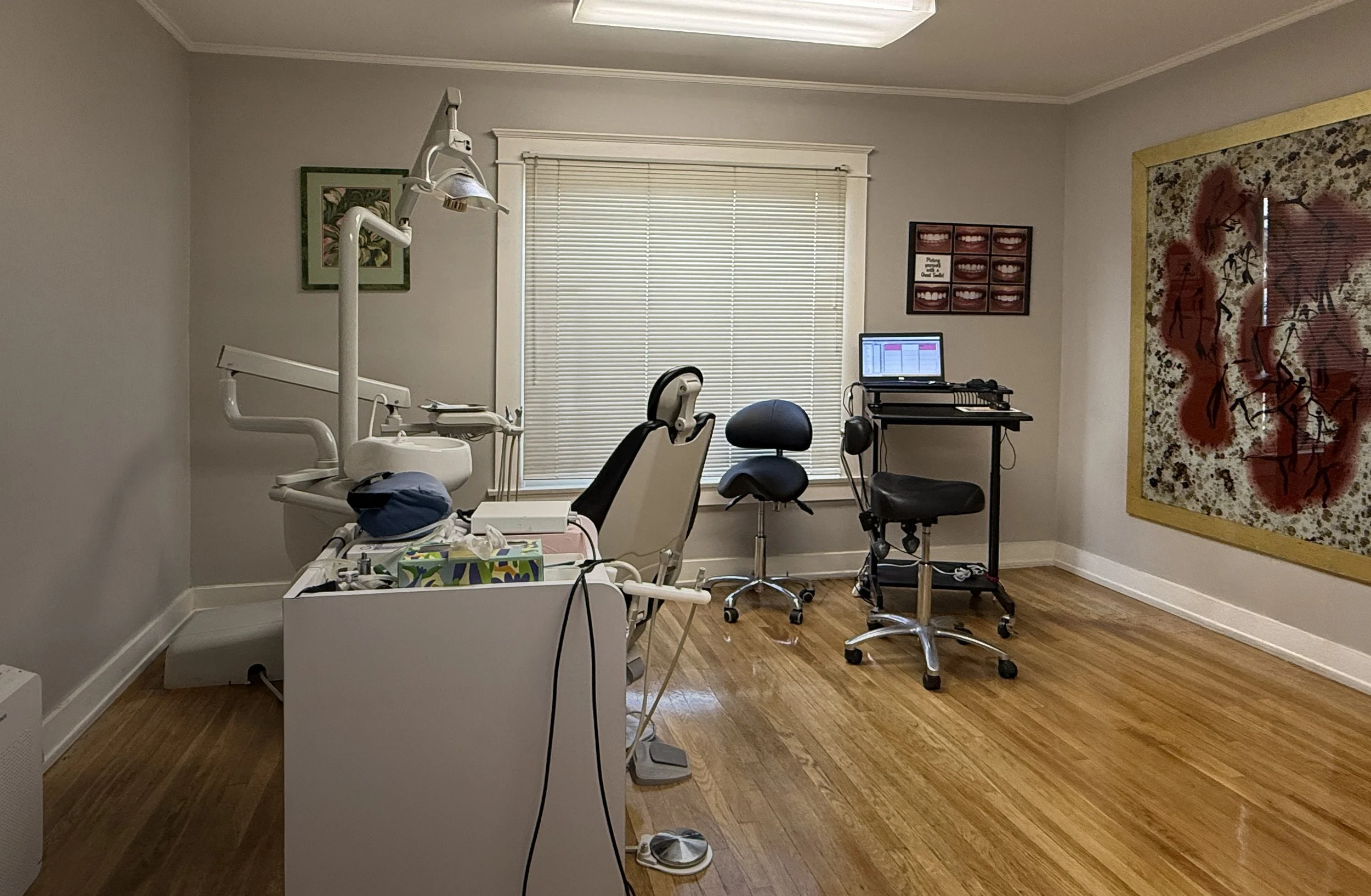
Photos from the practice’s website. Something wrong, or is this your practice? Email hello@biomimeticclinics.com.
Credentialed Clinician
Dr. Teresa Monzon DDS
BoardAOBMD recordverified 30 August 2026
Procedures
Practice Details
- Address: 1660 East Main Street, Ventura, CA 93001, United States
- Telephone: (805) 648-6118
- Website: http://teremonzondds.com/
- City: Ventura, CA (all California practices)
Common Questions
What does this practice do differently from a conventional restorative appointment?
Rather than drilling away sound structure to seat a crown, the practice uses adhesive bonding and layered composite or ceramic to restore only the damaged tissue. Caries and cracks are removed, nothing more, and the restoration is built to replicate enamel and dentin stiffness so the tooth flexes and bears load as it did before.
Which restorations are offered instead of a full crown?
Inlays and onlays are precision ceramic or composite restorations seated within or over the cusp tips without removing healthy tooth the way a crown does. An overlay covers the entire biting surface while leaving the tooth walls intact, for cases needing more coverage than an inlay but less than a crown.
What happens during a biomimetic restoration appointment?
Allow 60 to 120 minutes depending on complexity. Caries dye is used to confirm complete removal of decay, rubber dam isolation establishes a dry, contaminant-free bonding field, and material is placed in layers matched to natural tooth mechanics. Composite fillings follow the same isolation, incremental layering and margin-sealing protocols, typically 30 to 60 minutes per tooth.
How are cracked teeth and deep, near-pulp decay handled here?
Cracks are sealed with adhesive protocols intended to stop propagation. On deep lesions, bioactive liners are applied to protect the nerve and stimulate remineralization, so near-pulp decay can often be addressed with pulp protection and a hermetic seal rather than immediate root canal therapy.
What should a new patient expect at a first visit?
Plan for 60 to 90 minutes. The visit covers a full health history review, an exam performed under magnification to identify micro-cracks, early decay and failing restorations, digital x-rays reviewed with you in the chair, and soft tissue oral cancer screening. A written treatment plan is provided before any work begins, with no pressure to accept treatment.