
About Fine Dentistry
Fine Dentistry is a root cause, comprehensive dental practice on San Diego Avenue in the Mission Hills area, working one patient at a time rather than running parallel chairs. The stated purpose of the practice is to help patients keep their natural teeth for life, and its approach is to diagnose the underlying cause of tooth wear and chewing-system disharmony instead of treating the symptom in front of it. Treatment planning comes before treatment: a plan of prevention and correction is developed first, with the advantages and disadvantages of each alternative laid out so the patient chooses. The office is mercury-free, uses the most biocompatible dental materials available to it, and holds protocols for the safe removal of old mercury-based restorations. Restorative, prosthodontic, TMJ and jaw-alignment, sleep apnea and airway, and cosmetic work including porcelain veneers are all provided in-house, alongside routine preventive care.
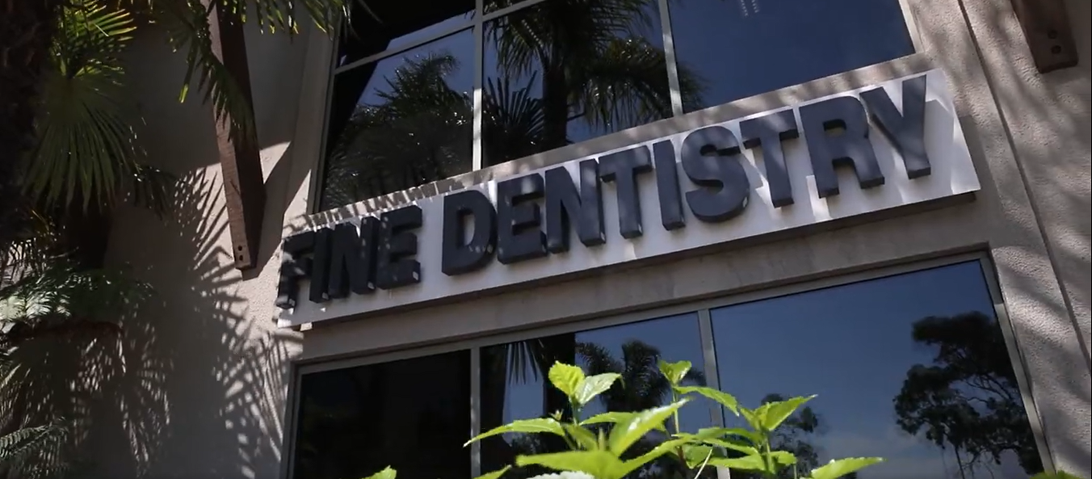
Photos from the practice’s website. Something wrong, or is this your practice? Email hello@biomimeticclinics.com.
Credentialed Clinician
Dr. Sabine A. Purps
Directory memberIABDM recordverified 30 August 2026
Procedures
Practice Details
- Address: 1764 San Diego Avenue # 130
- Telephone: 619-295-6500
- Website: http://www.sandiegofinedentistry.com
- City: San Diego, CA (all California practices)
Common Questions
What does "root cause dentistry" mean at this practice?
Root cause dentistry, as the practice defines it, treats the underlying problems that produce dental symptoms and attempts to eliminate those issues while ensuring they cause no adverse effects on the patient's overall health. In practical terms the clinicians diagnose the cause of tooth wear and other chewing-system disharmony rather than focusing on the presenting symptom, applying principles of biomechanics and occlusion across the whole case.
How does the practice handle old mercury-based fillings and material selection?
The office is mercury-free and states that it uses the most biocompatible dental materials available, with protocols in place for the safe removal of old, mercury-based restorations. The whole-body orientation extends to detoxification support from materials used previously. Material choice is framed as part of preserving a lifelong healthy dentition using the most biocompatible resources possible, not as a cosmetic decision.
Will I be seen alongside other patients?
No. The practice states that it works on only one patient at a time, so an appointment is reserved with the dentist or the hygienist for its duration. Patients are seen one by one and appointments are kept to time. The practice describes this scheduling as the reason it can hold to its stated standard of detail rather than mass-producing treatment.
Why does the office use electric handpieces instead of air-driven drills?
An electric handpiece runs from a small electric motor rather than compressed air. The practice reports that this produces a smoother, more precise rotation of the bur, which minimises microfractures in the tooth and supports stronger bonds for fillings and restorations, and that the instrument is quieter and vibrates less. It is used for caries removal, tooth preparation, implant site sculpting and soft-tissue contouring.
What does the practice treat besides restorative work?
Alongside preventive care, restorations, prosthodontics and cosmetic work such as porcelain veneers, the practice lists TMJ disorder and jaw alignment, including assessment of TMJ symptoms, and sleep-disordered breathing: sleep studies, the Vivos system, and airway and snoring treatment. Root canal therapy, retreatment, dental implants and periodontal care are also provided. Occlusion and biomechanics are the organising framework across these areas.